Buy lumbrales.eu ?
We are moving the project
lumbrales.eu .
Are you interested in purchasing the domain
lumbrales.eu ?
domain@kv-gmbh.de · 0541-91531010
Buy lumbrales.eu ?
Does the forest floor grow?
Yes, the forest floor does grow. It is constantly changing and evolving as new plants, fungi, and microorganisms grow and decompose. Fallen leaves, branches, and other organic matter also contribute to the growth and development of the forest floor. Over time, these processes contribute to the accumulation of soil and the establishment of new plant life, leading to the continuous growth and renewal of the forest floor. **
What are our engineers doing to further develop the forest floor-friendly forest floor consolidating harvesters?
Our engineers are working to further develop the forest floor-friendly forest floor consolidating harvesters by focusing on improving their efficiency and minimizing their impact on the forest ecosystem. They are exploring ways to enhance the machines' ability to consolidate and distribute the forest floor material without causing excessive soil disturbance. Additionally, they are researching and testing new technologies and materials that can reduce compaction and minimize damage to the forest floor during harvesting operations. Overall, the engineers are dedicated to creating forest floor consolidating harvesters that are both effective in their function and environmentally sustainable. **

Similar search terms for Saro-Lifestyle-Forest-Floor
Top-Angebote
Products related to Saro-Lifestyle-Forest-Floor:
-
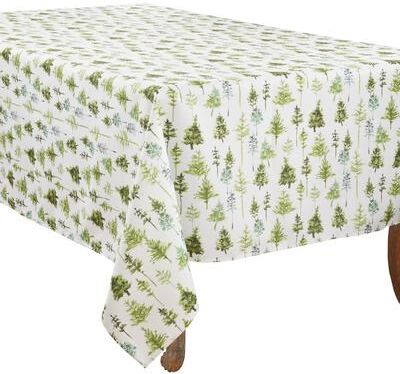
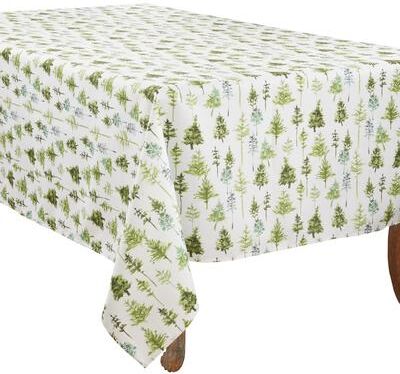
Saro Lifestyle Tablecloth With Forest Trees DesignProtect your table against scratches and spills with this charming Forest Trees Design Tablecloth. It brings color, texture and depth to your décor, featuring a lovely winter-inspired design.33,17 $*Shipping: 0,00 $Secure redirect to the provider
-
Saro Lifestyle Tablecloth With Forest Trees DesignProtect your table against scratches and spills with this charming Forest Trees Design Tablecloth. It brings color, texture and depth to your décor, featuring a lovely winter-inspired design.38,39 $*Shipping: 0,00 $Secure redirect to the provider


-
How does the forest floor in a deciduous forest differ from that in a coniferous forest?
The forest floor in a deciduous forest is typically covered with a thick layer of leaf litter, which comes from the shedding of leaves in the fall. This leaf litter provides a rich source of nutrients for the soil and supports a diverse range of organisms. In contrast, the forest floor in a coniferous forest is often covered with a thick layer of pine needles, which take longer to decompose and create a more acidic soil environment. This can result in a different mix of plant and animal species compared to a deciduous forest. **
-
Which forest floor has more nutrients for plants?
The forest floor in a temperate deciduous forest typically has more nutrients for plants compared to a tropical rainforest. This is because in temperate forests, the decomposition of organic matter is faster due to the more moderate climate and seasonal leaf litter fall, leading to a higher turnover of nutrients. In contrast, the thick layer of organic matter in tropical rainforests can limit the availability of nutrients for plant growth. **
-
Which animals live in the forest floor layer?
Animals that live in the forest floor layer include insects like ants, beetles, and millipedes, as well as small mammals like mice, shrews, and voles. Additionally, some reptiles and amphibians such as snakes, salamanders, and frogs can also be found in the forest floor layer. **
-
Is the forest floor alkaline, neutral, or acidic?
The forest floor can vary in pH levels depending on factors such as the type of trees and plants present, as well as the composition of the soil. Generally, the forest floor tends to be acidic due to the accumulation of organic matter from decaying leaves, branches, and other plant material. This organic matter releases acids as it decomposes, which lowers the pH of the soil. However, in some areas, particularly where there is a high concentration of limestone or other alkaline minerals, the forest floor may be more alkaline. Overall, the forest floor can range from acidic to neutral, with alkaline conditions being less common. **

What are those black worms on the forest floor?
The black worms on the forest floor are likely earthworms. Earthworms are important decomposers in forest ecosystems, breaking down organic matter and enriching the soil with their castings. They play a crucial role in nutrient cycling and soil health. Additionally, earthworms are a food source for many forest-dwelling animals, contributing to the overall biodiversity of the ecosystem. **
Approximately how old is the moss on the forest floor?
The age of moss on the forest floor can vary depending on the specific environmental conditions and the species of moss present. However, mosses are known to be some of the oldest living organisms on Earth, with some species capable of living for hundreds or even thousands of years. In general, the moss on the forest floor can be quite old, with some patches potentially dating back several decades or even centuries. **
Top-Angebote
Products related to Saro-Lifestyle-Forest-Floor:
-
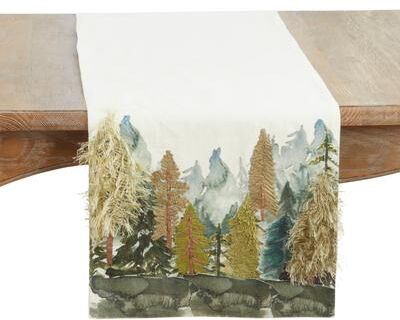
Saro Lifestyle Forest Floor Pinecone Napkin Ring (Set of 4)Bring the serene beauty of the forest to your table with these Forest Floor Pinecone Napkin Rings. Crafted with intricate detail and inspired by nature's tranquility, these napkin rings effortlessly elevate your dining experience.22,79 $*Shipping: 0,00 $Secure redirect to the provider
-
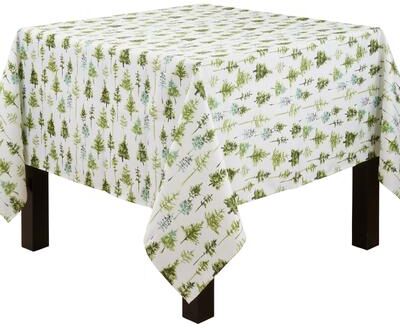
Saro Lifestyle Tablecloth With Forest Trees DesignProtect your table against scratches and spills with this charming Forest Trees Design Tablecloth. It brings color, texture and depth to your décor, featuring a lovely winter-inspired design.54,82 $*Shipping: 0,00 $Secure redirect to the provider
-
Does the forest floor grow?
Yes, the forest floor does grow. It is constantly changing and evolving as new plants, fungi, and microorganisms grow and decompose. Fallen leaves, branches, and other organic matter also contribute to the growth and development of the forest floor. Over time, these processes contribute to the accumulation of soil and the establishment of new plant life, leading to the continuous growth and renewal of the forest floor. **
-
What are our engineers doing to further develop the forest floor-friendly forest floor consolidating harvesters?
Our engineers are working to further develop the forest floor-friendly forest floor consolidating harvesters by focusing on improving their efficiency and minimizing their impact on the forest ecosystem. They are exploring ways to enhance the machines' ability to consolidate and distribute the forest floor material without causing excessive soil disturbance. Additionally, they are researching and testing new technologies and materials that can reduce compaction and minimize damage to the forest floor during harvesting operations. Overall, the engineers are dedicated to creating forest floor consolidating harvesters that are both effective in their function and environmentally sustainable. **
-
How does the forest floor in a deciduous forest differ from that in a coniferous forest?
The forest floor in a deciduous forest is typically covered with a thick layer of leaf litter, which comes from the shedding of leaves in the fall. This leaf litter provides a rich source of nutrients for the soil and supports a diverse range of organisms. In contrast, the forest floor in a coniferous forest is often covered with a thick layer of pine needles, which take longer to decompose and create a more acidic soil environment. This can result in a different mix of plant and animal species compared to a deciduous forest. **
-
Which forest floor has more nutrients for plants?
The forest floor in a temperate deciduous forest typically has more nutrients for plants compared to a tropical rainforest. This is because in temperate forests, the decomposition of organic matter is faster due to the more moderate climate and seasonal leaf litter fall, leading to a higher turnover of nutrients. In contrast, the thick layer of organic matter in tropical rainforests can limit the availability of nutrients for plant growth. **
Similar search terms for Saro-Lifestyle-Forest-Floor
-
Saro Lifestyle Tablecloth With Forest Trees DesignProtect your table against scratches and spills with this charming Forest Trees Design Tablecloth. It brings color, texture and depth to your décor, featuring a lovely winter-inspired design.33,17 $*Shipping: 0,00 $Secure redirect to the provider
-
Saro Lifestyle Tablecloth With Forest Trees DesignProtect your table against scratches and spills with this charming Forest Trees Design Tablecloth. It brings color, texture and depth to your décor, featuring a lovely winter-inspired design.38,39 $*Shipping: 0,00 $Secure redirect to the provider
-
Saro Lifestyle Tablecloth With Forest Trees DesignProtect your table against scratches and spills with this charming Forest Trees Design Tablecloth. It brings color, texture and depth to your décor, featuring a lovely winter-inspired design.31,99 $*Shipping: 0,00 $Secure redirect to the provider
-
Saro Lifestyle Tablecloth With Forest Trees DesignProtect your table against scratches and spills with this charming Forest Trees Design Tablecloth. It brings color, texture and depth to your décor, featuring a lovely winter-inspired design.43,55 $*Shipping: 0,00 $Secure redirect to the provider
-
Which animals live in the forest floor layer?
Animals that live in the forest floor layer include insects like ants, beetles, and millipedes, as well as small mammals like mice, shrews, and voles. Additionally, some reptiles and amphibians such as snakes, salamanders, and frogs can also be found in the forest floor layer. **
-
Is the forest floor alkaline, neutral, or acidic?
The forest floor can vary in pH levels depending on factors such as the type of trees and plants present, as well as the composition of the soil. Generally, the forest floor tends to be acidic due to the accumulation of organic matter from decaying leaves, branches, and other plant material. This organic matter releases acids as it decomposes, which lowers the pH of the soil. However, in some areas, particularly where there is a high concentration of limestone or other alkaline minerals, the forest floor may be more alkaline. Overall, the forest floor can range from acidic to neutral, with alkaline conditions being less common. **
-
What are those black worms on the forest floor?
The black worms on the forest floor are likely earthworms. Earthworms are important decomposers in forest ecosystems, breaking down organic matter and enriching the soil with their castings. They play a crucial role in nutrient cycling and soil health. Additionally, earthworms are a food source for many forest-dwelling animals, contributing to the overall biodiversity of the ecosystem. **
-
Approximately how old is the moss on the forest floor?
The age of moss on the forest floor can vary depending on the specific environmental conditions and the species of moss present. However, mosses are known to be some of the oldest living organisms on Earth, with some species capable of living for hundreds or even thousands of years. In general, the moss on the forest floor can be quite old, with some patches potentially dating back several decades or even centuries. **
* All prices are inclusive of VAT and, if applicable, plus shipping costs. The offer information is based on the details provided by the respective shop and is updated through automated processes. Real-time updates do not occur, so deviations can occur in individual cases. ** Note: Parts of this content were created by AI.