Buy lumbrales.eu ?
We are moving the project
lumbrales.eu .
Are you interested in purchasing the domain
lumbrales.eu ?
domain@kv-gmbh.de · 0541-91531010
Buy lumbrales.eu ?
What is the difference between traditional religious and ritualistic Satanism?
Traditional religious Satanism is a belief system that views Satan as a deity to be worshipped and revered. It may involve the belief in a literal Satan and the practice of rituals and ceremonies to honor him. Ritualistic Satanism, on the other hand, is more focused on the use of Satanic imagery and symbolism in rituals and ceremonies as a form of rebellion or self-empowerment, rather than a literal belief in Satan as a deity. It may involve the use of Satanic rituals and symbols for shock value or as a means of expressing anti-religious or anti-authoritarian sentiments. **
Are religious people more intelligent than non-religious people?
Intelligence is a complex and multifaceted trait that cannot be solely determined by a person's religious beliefs. There is no conclusive evidence to suggest that religious people are inherently more intelligent than non-religious people, as intelligence is influenced by a variety of factors such as genetics, environment, education, and life experiences. It is important to recognize that individuals of all religious and non-religious backgrounds have the capacity for intelligence and critical thinking. Therefore, it is not accurate to make generalizations about the intelligence of religious versus non-religious individuals. **

Similar search terms for Religious
Top-Angebote
Products related to Religious:
-
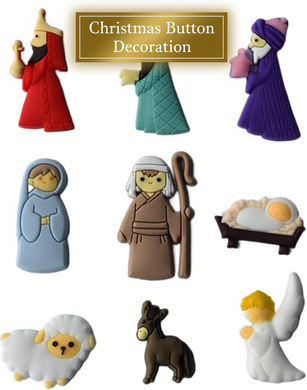
Lush Living Finds Christian Jesus Fridge Magnet Sticker, Religious Christmas Kitchen Magnets For Refrigerator Christian Jesus Fridge Magnet Sticker, Religious Christmas Kitchen Magnets For RefrigeratorEnhance Your Kitchen with a Touch of Faith Bring a festive, spiritual vibe to your home with our 9 peice Fridge Magnet Sticker. Designed with a Christian Jesus Christmas theme, this magnet is a beautiful reminder of faith, making it a perfect...34,97 $*Shipping: 0,00 $Secure redirect to the provider


-
Can religious ultra-Orthodox be compared to religious extremists?
Religious ultra-Orthodox and religious extremists can share some similarities, such as a strict adherence to religious laws and traditions, and a resistance to modern secular influences. However, it is important to note that not all ultra-Orthodox individuals are extremists, and not all religious extremists are ultra-Orthodox. While some ultra-Orthodox groups may hold extreme views and engage in radical behavior, it is not accurate or fair to categorize all ultra-Orthodox individuals as extremists. It is important to approach each group or individual with an open mind and not make assumptions based on stereotypes. **
-
Are most religious people nicer than non-religious people?
It is not accurate to make a blanket statement about the behavior of most religious people compared to non-religious people. People's behavior is influenced by a variety of factors, including their individual personalities, upbringing, and personal beliefs. While some religious individuals may exhibit kindness and compassion as a result of their faith, there are also many non-religious individuals who demonstrate these qualities. It is important to recognize that kindness and compassion are not exclusive to any particular group and can be found in people of all backgrounds and beliefs. **
-
Why do non-religious people not celebrate religious holidays?
Non-religious people may choose not to celebrate religious holidays because they do not adhere to the beliefs or practices associated with those holidays. They may not find personal significance or meaning in the religious aspects of the holidays and therefore do not feel compelled to participate. Additionally, some non-religious individuals may prefer to celebrate holidays that align more closely with their own values and beliefs. **
-
Do you believe that all religious teachers are religious?
No, I do not believe that all religious teachers are necessarily religious themselves. While many religious teachers are indeed deeply religious and committed to their faith, there are also individuals who may teach about religion from a more academic or historical perspective without necessarily being personally religious. Additionally, some religious teachers may have a more spiritual or philosophical approach to their teachings rather than a strictly religious one. Therefore, it is important to recognize that religious teachers can come from a variety of backgrounds and perspectives. **

What do religious leaders say about other religious leaders?
Religious leaders often speak about other religious leaders with respect and admiration, acknowledging their dedication to serving their communities and spreading their faith. They may also emphasize the importance of interfaith dialogue and cooperation, promoting understanding and unity among different religious traditions. Additionally, religious leaders may highlight the shared values and teachings that are present in various faiths, emphasizing the common goal of promoting peace, compassion, and justice. Overall, religious leaders tend to express a message of mutual respect and cooperation when discussing their counterparts in other religious traditions. **
Was Hitler religious?
Adolf Hitler was raised in a Roman Catholic family and was confirmed in the Catholic Church, but as he grew older, his views on religion became more complex. He expressed admiration for the power of the Catholic Church but also criticized its teachings. Some historians believe that Hitler's public statements about religion were more for political purposes and that he may have been more interested in using religion as a tool for his own agenda rather than being genuinely religious. Overall, the extent of Hitler's personal religious beliefs and the role of religion in his ideology remain a topic of debate among historians. **
Top-Angebote
Products related to Religious:
-
Uplift Essentials Artisan Japanese Wooden Bowl Handcrafted Natural Food Container Artisan Japanese Wooden Bowl Handcrafted Natural Food ContainerBring a touch of organic elegance to your dining table with this Artisan Japanese Wooden Bowl. Expertly carved from solid, highquality timber, this handcrafted wooden bowl reflects the timeless beauty of minimalist design while offering superior...55,97 $*Shipping: 0,00 $Secure redirect to the provider
-
What is the difference between traditional religious and ritualistic Satanism?
Traditional religious Satanism is a belief system that views Satan as a deity to be worshipped and revered. It may involve the belief in a literal Satan and the practice of rituals and ceremonies to honor him. Ritualistic Satanism, on the other hand, is more focused on the use of Satanic imagery and symbolism in rituals and ceremonies as a form of rebellion or self-empowerment, rather than a literal belief in Satan as a deity. It may involve the use of Satanic rituals and symbols for shock value or as a means of expressing anti-religious or anti-authoritarian sentiments. **
-
Are religious people more intelligent than non-religious people?
Intelligence is a complex and multifaceted trait that cannot be solely determined by a person's religious beliefs. There is no conclusive evidence to suggest that religious people are inherently more intelligent than non-religious people, as intelligence is influenced by a variety of factors such as genetics, environment, education, and life experiences. It is important to recognize that individuals of all religious and non-religious backgrounds have the capacity for intelligence and critical thinking. Therefore, it is not accurate to make generalizations about the intelligence of religious versus non-religious individuals. **
-
Can religious ultra-Orthodox be compared to religious extremists?
Religious ultra-Orthodox and religious extremists can share some similarities, such as a strict adherence to religious laws and traditions, and a resistance to modern secular influences. However, it is important to note that not all ultra-Orthodox individuals are extremists, and not all religious extremists are ultra-Orthodox. While some ultra-Orthodox groups may hold extreme views and engage in radical behavior, it is not accurate or fair to categorize all ultra-Orthodox individuals as extremists. It is important to approach each group or individual with an open mind and not make assumptions based on stereotypes. **
-
Are most religious people nicer than non-religious people?
It is not accurate to make a blanket statement about the behavior of most religious people compared to non-religious people. People's behavior is influenced by a variety of factors, including their individual personalities, upbringing, and personal beliefs. While some religious individuals may exhibit kindness and compassion as a result of their faith, there are also many non-religious individuals who demonstrate these qualities. It is important to recognize that kindness and compassion are not exclusive to any particular group and can be found in people of all backgrounds and beliefs. **
Similar search terms for Religious
-
Lush Living Finds Christian Jesus Fridge Magnet Sticker, Religious Christmas Kitchen Magnets For Refrigerator Christian Jesus Fridge Magnet Sticker, Religious Christmas Kitchen Magnets For RefrigeratorEnhance Your Kitchen with a Touch of Faith Bring a festive, spiritual vibe to your home with our 9 peice Fridge Magnet Sticker. Designed with a Christian Jesus Christmas theme, this magnet is a beautiful reminder of faith, making it a perfect...34,97 $*Shipping: 0,00 $Secure redirect to the provider
-
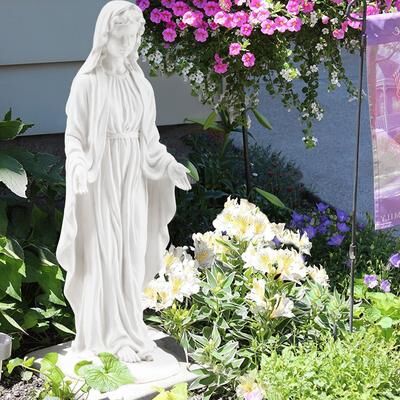
EROMMY Outdoor Religious Statue - Waterproof Garden Decor for Patio, Porch, and Courtyard【Elegant Garden Statue】 Add a touch of elegance to your garden or home with this beautifully crafted statue. Made from premium magnesium oxide, it features lifelike details and a refined finish that brings a sense of peace and harmony to any space.75,68 $*Shipping: 0,00 $Secure redirect to the provider
-
Skip's Garage Drink Local Cornhole Boards"Includes: (2) Cornhole Boards & (8) Bags. Boards are Regulation Sized 24"" Wide x 48"" Long. Bags Will Complement The Board Colors. Easily Message Us Bag Color Requests. Easily Add a Carry Cases, Lights, or Both!"246,49 $*Shipping: 0,00 $Secure redirect to the provider
-
Why do non-religious people not celebrate religious holidays?
Non-religious people may choose not to celebrate religious holidays because they do not adhere to the beliefs or practices associated with those holidays. They may not find personal significance or meaning in the religious aspects of the holidays and therefore do not feel compelled to participate. Additionally, some non-religious individuals may prefer to celebrate holidays that align more closely with their own values and beliefs. **
-
Do you believe that all religious teachers are religious?
No, I do not believe that all religious teachers are necessarily religious themselves. While many religious teachers are indeed deeply religious and committed to their faith, there are also individuals who may teach about religion from a more academic or historical perspective without necessarily being personally religious. Additionally, some religious teachers may have a more spiritual or philosophical approach to their teachings rather than a strictly religious one. Therefore, it is important to recognize that religious teachers can come from a variety of backgrounds and perspectives. **
-
What do religious leaders say about other religious leaders?
Religious leaders often speak about other religious leaders with respect and admiration, acknowledging their dedication to serving their communities and spreading their faith. They may also emphasize the importance of interfaith dialogue and cooperation, promoting understanding and unity among different religious traditions. Additionally, religious leaders may highlight the shared values and teachings that are present in various faiths, emphasizing the common goal of promoting peace, compassion, and justice. Overall, religious leaders tend to express a message of mutual respect and cooperation when discussing their counterparts in other religious traditions. **
-
Was Hitler religious?
Adolf Hitler was raised in a Roman Catholic family and was confirmed in the Catholic Church, but as he grew older, his views on religion became more complex. He expressed admiration for the power of the Catholic Church but also criticized its teachings. Some historians believe that Hitler's public statements about religion were more for political purposes and that he may have been more interested in using religion as a tool for his own agenda rather than being genuinely religious. Overall, the extent of Hitler's personal religious beliefs and the role of religion in his ideology remain a topic of debate among historians. **
* All prices are inclusive of VAT and, if applicable, plus shipping costs. The offer information is based on the details provided by the respective shop and is updated through automated processes. Real-time updates do not occur, so deviations can occur in individual cases. ** Note: Parts of this content were created by AI.