Buy lumbrales.eu ?
We are moving the project
lumbrales.eu .
Are you interested in purchasing the domain
lumbrales.eu ?
domain@kv-gmbh.de · 0541-91531010
Buy lumbrales.eu ?
What can be done on farmland?
Farmland can be used for a variety of agricultural activities such as growing crops, raising livestock, and cultivating fruits and vegetables. Farmers can also engage in activities like irrigation, fertilization, and pest control to ensure healthy and productive crops. Additionally, farmland can be used for agroforestry, agroecology, and other sustainable farming practices to promote biodiversity and environmental conservation. Overall, farmland provides a valuable resource for producing food, fiber, and other agricultural products essential for human consumption and economic development. **
What exactly is meat that eats farmland?
Meat that eats farmland refers to the concept that a significant amount of agricultural land is used to grow crops that are then fed to livestock animals, which are ultimately raised for meat production. This process involves a large amount of land, water, and resources to sustain the livestock, and contributes to environmental issues such as deforestation, greenhouse gas emissions, and water pollution. Therefore, the term "meat that eats farmland" highlights the impact of meat production on the use of agricultural resources and its environmental implications. **


Similar search terms for Farmland
Top-Angebote
Products related to Farmland:
-
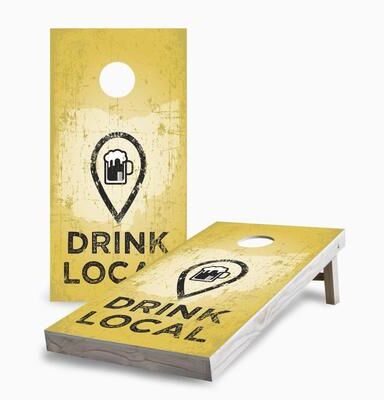
Skip's Garage Drink Local Cornhole Boards"Includes: (2) Cornhole Boards & (8) Bags. Boards are Regulation Sized 24"" Wide x 48"" Long. Bags Will Complement The Board Colors. Easily Message Us Bag Color Requests. Easily Add a Carry Cases, Lights, or Both!"246,49 $*Shipping: 0,00 $Secure redirect to the provider


-
Who benefits when farmland becomes building land?
When farmland becomes building land, developers and landowners benefit as they can sell the land for a higher price. Local governments also benefit from increased property tax revenue. However, this conversion can have negative impacts on the environment and food security, as it reduces the amount of available farmland for agricultural production. Additionally, it can lead to the displacement of farmers and rural communities. **
-
Is there enough farmland in the jungle?
There is limited farmland in the jungle due to the dense vegetation and lack of suitable soil for agriculture. While there may be some areas cleared for farming, the overall availability of farmland in the jungle is limited. Additionally, the fragile ecosystem of the jungle makes it important to preserve the existing land rather than clearing it for agriculture. **
-
What is the rental price for farmland?
The rental price for farmland can vary widely depending on factors such as location, soil quality, size of the land, and local market conditions. On average, rental prices for farmland in the United States can range from $50 to $200 per acre per year. However, in more desirable or productive agricultural regions, rental prices can be significantly higher. It is important for farmers and landowners to negotiate a fair rental price that takes into account all relevant factors. **
-
Can plants and farmland tolerate brackish water?
Some plants and farmland can tolerate brackish water, but it depends on the specific species and the level of salinity in the water. Some plants, like mangroves and certain types of grasses, have adapted to thrive in brackish environments. However, high levels of salinity can be harmful to many crops and plants, as it can disrupt their ability to absorb water and nutrients. In some cases, farmers may use techniques like drip irrigation or planting salt-tolerant crops to mitigate the effects of brackish water on farmland. **

What percentage of the mainland consists of farmland?
Approximately 40% of the mainland consists of farmland. This land is used for agricultural purposes such as growing crops and raising livestock. Farmland is essential for providing food and resources to support human populations. **
How much rent for 1 hectare of farmland?
The cost of renting 1 hectare of farmland can vary greatly depending on the location, quality of the land, and local market conditions. In the United States, the average cost of renting farmland is around $150-$200 per acre per year, which is equivalent to approximately $370-$500 per hectare per year. However, in more desirable or productive agricultural regions, the rent can be significantly higher, sometimes exceeding $1000 per hectare per year. It is important for farmers to carefully consider these factors when negotiating rental agreements for farmland. **
Top-Angebote
Products related to Farmland:
-
Uplift Essentials Artisan Japanese Wooden Bowl Handcrafted Natural Food Container Artisan Japanese Wooden Bowl Handcrafted Natural Food ContainerBring a touch of organic elegance to your dining table with this Artisan Japanese Wooden Bowl. Expertly carved from solid, highquality timber, this handcrafted wooden bowl reflects the timeless beauty of minimalist design while offering superior...55,97 $*Shipping: 0,00 $Secure redirect to the provider
-
Skip's Garage Drink Local Cornhole Boards"Includes: (2) Cornhole Boards & (8) Bags. Boards are Regulation Sized 24"" Wide x 48"" Long. Bags Will Complement The Board Colors. Easily Message Us Bag Color Requests. Easily Add a Carry Cases, Lights, or Both!"246,49 $*Shipping: 0,00 $Secure redirect to the provider
-
What can be done on farmland?
Farmland can be used for a variety of agricultural activities such as growing crops, raising livestock, and cultivating fruits and vegetables. Farmers can also engage in activities like irrigation, fertilization, and pest control to ensure healthy and productive crops. Additionally, farmland can be used for agroforestry, agroecology, and other sustainable farming practices to promote biodiversity and environmental conservation. Overall, farmland provides a valuable resource for producing food, fiber, and other agricultural products essential for human consumption and economic development. **
-
What exactly is meat that eats farmland?
Meat that eats farmland refers to the concept that a significant amount of agricultural land is used to grow crops that are then fed to livestock animals, which are ultimately raised for meat production. This process involves a large amount of land, water, and resources to sustain the livestock, and contributes to environmental issues such as deforestation, greenhouse gas emissions, and water pollution. Therefore, the term "meat that eats farmland" highlights the impact of meat production on the use of agricultural resources and its environmental implications. **
-
Who benefits when farmland becomes building land?
When farmland becomes building land, developers and landowners benefit as they can sell the land for a higher price. Local governments also benefit from increased property tax revenue. However, this conversion can have negative impacts on the environment and food security, as it reduces the amount of available farmland for agricultural production. Additionally, it can lead to the displacement of farmers and rural communities. **
-
Is there enough farmland in the jungle?
There is limited farmland in the jungle due to the dense vegetation and lack of suitable soil for agriculture. While there may be some areas cleared for farming, the overall availability of farmland in the jungle is limited. Additionally, the fragile ecosystem of the jungle makes it important to preserve the existing land rather than clearing it for agriculture. **
Similar search terms for Farmland
-
Skip's Garage Drink Local Cornhole Boards"Includes: (2) Cornhole Boards & (8) Bags. Boards are Regulation Sized 24"" Wide x 48"" Long. Bags Will Complement The Board Colors. Easily Message Us Bag Color Requests. Easily Add a Carry Cases, Lights, or Both!"296,49 $*Shipping: 0,00 $Secure redirect to the provider
-
Skip's Garage Drink Local Cornhole Boards"Includes: (2) Cornhole Boards & (8) Bags. Boards are Regulation Sized 24"" Wide x 48"" Long. Bags Will Complement The Board Colors. Easily Message Us Bag Color Requests. Easily Add a Carry Cases, Lights, or Both!"296,49 $*Shipping: 0,00 $Secure redirect to the provider
-
What is the rental price for farmland?
The rental price for farmland can vary widely depending on factors such as location, soil quality, size of the land, and local market conditions. On average, rental prices for farmland in the United States can range from $50 to $200 per acre per year. However, in more desirable or productive agricultural regions, rental prices can be significantly higher. It is important for farmers and landowners to negotiate a fair rental price that takes into account all relevant factors. **
-
Can plants and farmland tolerate brackish water?
Some plants and farmland can tolerate brackish water, but it depends on the specific species and the level of salinity in the water. Some plants, like mangroves and certain types of grasses, have adapted to thrive in brackish environments. However, high levels of salinity can be harmful to many crops and plants, as it can disrupt their ability to absorb water and nutrients. In some cases, farmers may use techniques like drip irrigation or planting salt-tolerant crops to mitigate the effects of brackish water on farmland. **
-
What percentage of the mainland consists of farmland?
Approximately 40% of the mainland consists of farmland. This land is used for agricultural purposes such as growing crops and raising livestock. Farmland is essential for providing food and resources to support human populations. **
-
How much rent for 1 hectare of farmland?
The cost of renting 1 hectare of farmland can vary greatly depending on the location, quality of the land, and local market conditions. In the United States, the average cost of renting farmland is around $150-$200 per acre per year, which is equivalent to approximately $370-$500 per hectare per year. However, in more desirable or productive agricultural regions, the rent can be significantly higher, sometimes exceeding $1000 per hectare per year. It is important for farmers to carefully consider these factors when negotiating rental agreements for farmland. **
* All prices are inclusive of VAT and, if applicable, plus shipping costs. The offer information is based on the details provided by the respective shop and is updated through automated processes. Real-time updates do not occur, so deviations can occur in individual cases. ** Note: Parts of this content were created by AI.