Buy lumbrales.eu ?
We are moving the project
lumbrales.eu .
Are you interested in purchasing the domain
lumbrales.eu ?
domain@kv-gmbh.de · 0541-91531010
Buy lumbrales.eu ?
How is ATP formed?
ATP is formed through the process of cellular respiration, which occurs in the mitochondria of cells. During cellular respiration, glucose is broken down in a series of steps, releasing energy that is used to convert ADP (adenosine diphosphate) into ATP (adenosine triphosphate). This process involves the electron transport chain and the production of ATP synthase, which adds a phosphate group to ADP to form ATP. Overall, ATP is formed through the transfer of energy from glucose to ADP, creating a molecule that serves as the primary energy source for cellular activities. **
What is ATP in biology?
ATP, or adenosine triphosphate, is a molecule that serves as the primary energy currency in living organisms. It is composed of an adenosine molecule and three phosphate groups, and its high-energy phosphate bonds store and release energy for cellular processes. ATP is produced during cellular respiration and photosynthesis, and it is used to power various biological processes such as muscle contraction, active transport, and chemical synthesis. In essence, ATP is essential for the functioning and survival of all living organisms. **

Similar search terms for Atp
Top-Angebote
Products related to Atp:
-
Uplifted Finds Coastal Artisan Wooden Fish Set 9PCS Handcrafted Ocean Wall Art Executive Studio & Seaside Sanctuary Decor Coastal Artisan Wooden Fish Set 9PCS Handcrafted Ocean Wall Art Executive Studio & Seaside Sanctuary Decor"Inaugurate a refreshing ""OceanSanctuary"" energy in your environment with our Coastal Artisan Wooden Fish Set. This premium 9piece handcrafted wall art collection is the ultimate designer solution for creating a ""NauticalModern"" or..."55,97 $*Shipping: 0,00 $Secure redirect to the provider
-
Sagebrook Home Pottery Terracotta Vase Artisan Style Traditional Classic SilhouetteAdd rustic flair instantly - Crafted from durable terracotta pottery, this decorative vase brings timeless charm to any bedroom, living room, or entryway display.64,59 $*Shipping: 0,00 $Secure redirect to the provider
-
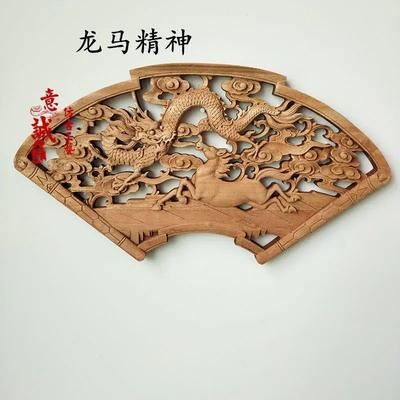
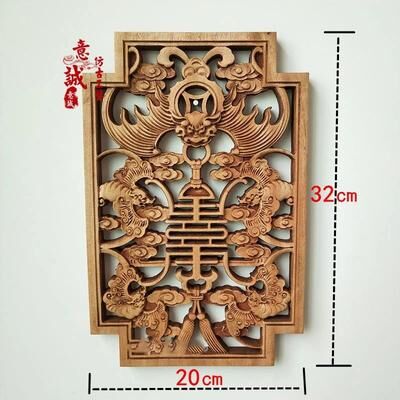
Inspire Essentials Handcrafted Dragon Phoenix Wood Carved Wall Decor Traditional Chinese Wall Art 4Bring a sense of heritage and harmony into your space with this intricately designed wood carved wall decor. Inspired by centuries old craftsmanship, this piece features a striking dragon phoenix wall art motif symbolizing balance prosperity and...81,48 $*Shipping: 0,00 $Secure redirect to the provider
-
Inspire Essentials Handcrafted Dragon Phoenix Wood Carved Wall Decor Traditional Chinese Wall Art 5Bring a sense of heritage and harmony into your space with this intricately designed wood carved wall decor. Inspired by centuries old craftsmanship, this piece features a striking dragon phoenix wall art motif symbolizing balance prosperity and...81,48 $*Shipping: 0,00 $Secure redirect to the provider



-
What is ATP explained simply?
ATP, or adenosine triphosphate, is often referred to as the "energy currency" of the cell. It is a molecule that stores and transfers energy within cells for various cellular processes. When ATP is broken down into ADP (adenosine diphosphate) and inorganic phosphate, energy is released and can be used by the cell to fuel activities such as muscle contractions, nerve impulses, and protein synthesis. In essence, ATP provides the necessary energy for cells to carry out their functions and maintain life. **
-
What are glucose and ATP?
Glucose is a simple sugar that serves as the primary source of energy for our cells. It is obtained from the food we eat and is broken down through a series of metabolic processes to produce ATP (adenosine triphosphate). ATP is often referred to as the "energy currency" of the cell because it stores and transfers energy within cells for various cellular functions. Both glucose and ATP play crucial roles in providing energy for the body to carry out its daily functions. **
-
Where does ATP come from?
ATP, or adenosine triphosphate, is produced in the mitochondria of cells through a process called cellular respiration. During cellular respiration, glucose is broken down in the presence of oxygen to produce ATP, which serves as the primary energy source for cellular activities. Additionally, ATP can also be generated through the process of photosynthesis in plant cells, where sunlight is used to convert carbon dioxide and water into glucose and oxygen, ultimately leading to the production of ATP. **
-
What are ATP and ADP?
ATP (adenosine triphosphate) is a molecule that stores and transfers energy within cells. It is often referred to as the "energy currency" of the cell because it provides the energy needed for various cellular processes. When ATP is used for energy, it is converted to ADP (adenosine diphosphate) by releasing one phosphate group, along with the energy stored in the bond. ADP can then be converted back to ATP through cellular respiration to replenish the cell's energy supply. **

What do plants need ATP for?
Plants need ATP for various essential processes such as photosynthesis, respiration, and the synthesis of macromolecules like proteins, nucleic acids, and cell wall components. ATP provides the energy necessary for these processes to occur, allowing plants to grow, develop, and maintain their cellular functions. Additionally, ATP is also used for active transport of molecules across cell membranes and for signal transduction within the plant cells. Overall, ATP is crucial for the overall metabolism and functioning of plants. **
How do other cells obtain ATP?
Other cells obtain ATP through the process of cellular respiration. During cellular respiration, cells break down glucose and other organic molecules in the presence of oxygen to produce ATP. This process occurs in the mitochondria of the cell and involves a series of complex biochemical reactions. Additionally, some cells can also produce ATP through fermentation, which is an anaerobic process that occurs in the absence of oxygen. Overall, cells obtain ATP through the processes of cellular respiration and fermentation, which allow them to generate the energy needed for various cellular activities. **
Top-Angebote
Products related to Atp:
-
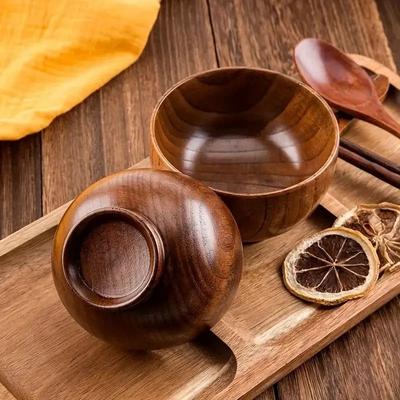
Uplift Essentials Artisan Japanese Wooden Bowl Handcrafted Natural Food Container Artisan Japanese Wooden Bowl Handcrafted Natural Food ContainerBring a touch of organic elegance to your dining table with this Artisan Japanese Wooden Bowl. Expertly carved from solid, highquality timber, this handcrafted wooden bowl reflects the timeless beauty of minimalist design while offering superior...55,97 $*Shipping: 0,00 $Secure redirect to the provider
-
Urban Decay Vice Lipstick Reno-LocalDiscover the ultimate Vice Lipstick, a super-pigmented, longwear vegan lipstick designed to deliver high-impact, long-lasting color in a single, hydrating swipe. This creamy, moisturizing formula ensures your lips feel nourished and hydrated, forgetting dry, flaky lip concerns thanks to the infusion of aloe vera and avocado oil—ingredients known to be rich in antioxidants. Explore 35 Los Angeles-inspired shades, encompassing everything from sheer pink and everyday nude lipstick to bold bright orange and red lipstick, available in three vibrant and comfortable finishes: cream, matte, and shine. Upgrade your makeup routine with this essential, vegan lip color that offers comfy, even coverage and a smooth application, making it the perfect choice for on-the-go beauty lovers everywhere who demand quality and hydration in their long-lasting lipsticks. Ingredients: ISONONYL ISONONANOATE, OCTYLDODECANOL, OLEYL ERUCATE, SILICA, PHENYL TRIMETHICONE, POLYETHYLENE, SESAMUM INDICUM SEED OIL / SESAME SEED OIL, PARAFFIN, CI 77491 / IRON OXIDES, CI 77891 / TITANIUM DIOXIDE, PEG-45/DODECYL GLYCOL COPOLYMER, CERA MICROCRISTALLINA / MICROCRYSTALLINE WAX / CIRE MICROCRISTALLINE, DIMETHICONE, CI 77492 / IRON OXIDES, KAOLIN, CI 77499 / IRON OXIDES, SYNTHETIC WAX, DISTEARDIMONIUM HECTORITE, TOCOPHERYL ACETATE, DIMETHICONE CROSSPOLYMER, PENTAERYTHRITYL TETRA-DI-T-BUTYL HYDROXYHYDROCINNAMATE, PERSEA GRATISSIMA OIL / AVOCADO OIL, ALUMINUM HYDROXIDE, ISOPROPYL PALMITATE, ISOPROPYL MYRISTATE, TRIETHOXYCAPRYLYLSILANE, ALOE BARBADENSIS LEAF EXTRACT, TOCOPHEROL, HYDROGENATED PALM GLYCERIDES CITRATE, HELIANTHUS ANNUUS SEED OIL / SUNFLOWER SEED OIL, ROSMARINUS OFFICINALIS LEAF EXTRACT / ROSEMARY LEAF EXTRACT.24,00 £*Shipping: 2,95 £Secure redirect to the provider
-
Uplifted Finds Coastal Artisan Wooden Fish Set 9PCS Handcrafted Ocean Wall Art Executive Studio & Seaside Sanctuary Decor Coastal Artisan Wooden Fish Set 9PCS Handcrafted Ocean Wall Art Executive Studio & Seaside Sanctuary Decor"Inaugurate a refreshing ""OceanSanctuary"" energy in your environment with our Coastal Artisan Wooden Fish Set. This premium 9piece handcrafted wall art collection is the ultimate designer solution for creating a ""NauticalModern"" or..."55,97 $*Shipping: 0,00 $Secure redirect to the provider
-
Sagebrook Home Pottery Terracotta Vase Artisan Style Traditional Classic SilhouetteAdd rustic flair instantly - Crafted from durable terracotta pottery, this decorative vase brings timeless charm to any bedroom, living room, or entryway display.64,59 $*Shipping: 0,00 $Secure redirect to the provider
-
How is ATP formed?
ATP is formed through the process of cellular respiration, which occurs in the mitochondria of cells. During cellular respiration, glucose is broken down in a series of steps, releasing energy that is used to convert ADP (adenosine diphosphate) into ATP (adenosine triphosphate). This process involves the electron transport chain and the production of ATP synthase, which adds a phosphate group to ADP to form ATP. Overall, ATP is formed through the transfer of energy from glucose to ADP, creating a molecule that serves as the primary energy source for cellular activities. **
-
What is ATP in biology?
ATP, or adenosine triphosphate, is a molecule that serves as the primary energy currency in living organisms. It is composed of an adenosine molecule and three phosphate groups, and its high-energy phosphate bonds store and release energy for cellular processes. ATP is produced during cellular respiration and photosynthesis, and it is used to power various biological processes such as muscle contraction, active transport, and chemical synthesis. In essence, ATP is essential for the functioning and survival of all living organisms. **
-
What is ATP explained simply?
ATP, or adenosine triphosphate, is often referred to as the "energy currency" of the cell. It is a molecule that stores and transfers energy within cells for various cellular processes. When ATP is broken down into ADP (adenosine diphosphate) and inorganic phosphate, energy is released and can be used by the cell to fuel activities such as muscle contractions, nerve impulses, and protein synthesis. In essence, ATP provides the necessary energy for cells to carry out their functions and maintain life. **
-
What are glucose and ATP?
Glucose is a simple sugar that serves as the primary source of energy for our cells. It is obtained from the food we eat and is broken down through a series of metabolic processes to produce ATP (adenosine triphosphate). ATP is often referred to as the "energy currency" of the cell because it stores and transfers energy within cells for various cellular functions. Both glucose and ATP play crucial roles in providing energy for the body to carry out its daily functions. **
Similar search terms for Atp
-
Inspire Essentials Handcrafted Dragon Phoenix Wood Carved Wall Decor Traditional Chinese Wall Art 4Bring a sense of heritage and harmony into your space with this intricately designed wood carved wall decor. Inspired by centuries old craftsmanship, this piece features a striking dragon phoenix wall art motif symbolizing balance prosperity and...81,48 $*Shipping: 0,00 $Secure redirect to the provider
-
Inspire Essentials Handcrafted Dragon Phoenix Wood Carved Wall Decor Traditional Chinese Wall Art 5Bring a sense of heritage and harmony into your space with this intricately designed wood carved wall decor. Inspired by centuries old craftsmanship, this piece features a striking dragon phoenix wall art motif symbolizing balance prosperity and...81,48 $*Shipping: 0,00 $Secure redirect to the provider
-
Inspire Essentials Handcrafted Dragon Phoenix Wood Carved Wall Decor Traditional Chinese Wall Art 16Bring a sense of heritage and harmony into your space with this intricately designed wood carved wall decor. Inspired by centuries old craftsmanship, this piece features a striking dragon phoenix wall art motif symbolizing balance prosperity and...81,48 $*Shipping: 0,00 $Secure redirect to the provider
-
Inspire Essentials Handcrafted Dragon Phoenix Wood Carved Wall Decor Traditional Chinese Wall Art 15Bring a sense of heritage and harmony into your space with this intricately designed wood carved wall decor. Inspired by centuries old craftsmanship, this piece features a striking dragon phoenix wall art motif symbolizing balance prosperity and...81,48 $*Shipping: 0,00 $Secure redirect to the provider
-
Where does ATP come from?
ATP, or adenosine triphosphate, is produced in the mitochondria of cells through a process called cellular respiration. During cellular respiration, glucose is broken down in the presence of oxygen to produce ATP, which serves as the primary energy source for cellular activities. Additionally, ATP can also be generated through the process of photosynthesis in plant cells, where sunlight is used to convert carbon dioxide and water into glucose and oxygen, ultimately leading to the production of ATP. **
-
What are ATP and ADP?
ATP (adenosine triphosphate) is a molecule that stores and transfers energy within cells. It is often referred to as the "energy currency" of the cell because it provides the energy needed for various cellular processes. When ATP is used for energy, it is converted to ADP (adenosine diphosphate) by releasing one phosphate group, along with the energy stored in the bond. ADP can then be converted back to ATP through cellular respiration to replenish the cell's energy supply. **
-
What do plants need ATP for?
Plants need ATP for various essential processes such as photosynthesis, respiration, and the synthesis of macromolecules like proteins, nucleic acids, and cell wall components. ATP provides the energy necessary for these processes to occur, allowing plants to grow, develop, and maintain their cellular functions. Additionally, ATP is also used for active transport of molecules across cell membranes and for signal transduction within the plant cells. Overall, ATP is crucial for the overall metabolism and functioning of plants. **
-
How do other cells obtain ATP?
Other cells obtain ATP through the process of cellular respiration. During cellular respiration, cells break down glucose and other organic molecules in the presence of oxygen to produce ATP. This process occurs in the mitochondria of the cell and involves a series of complex biochemical reactions. Additionally, some cells can also produce ATP through fermentation, which is an anaerobic process that occurs in the absence of oxygen. Overall, cells obtain ATP through the processes of cellular respiration and fermentation, which allow them to generate the energy needed for various cellular activities. **
* All prices are inclusive of VAT and, if applicable, plus shipping costs. The offer information is based on the details provided by the respective shop and is updated through automated processes. Real-time updates do not occur, so deviations can occur in individual cases. ** Note: Parts of this content were created by AI.