Buy lumbrales.eu ?
We are moving the project
lumbrales.eu .
Are you interested in purchasing the domain
lumbrales.eu ?
domain@kv-gmbh.de · 0541-91531010
Buy lumbrales.eu ?
How do non-homologous recombination and homologous recombination work?
Non-homologous recombination involves the joining of two DNA molecules at non-homologous sequences, resulting in the insertion, deletion, or rearrangement of genetic material. This process is often error-prone and can lead to mutations. Homologous recombination, on the other hand, involves the exchange of genetic material between two similar DNA molecules, typically occurring during meiosis. This process is important for repairing DNA damage and ensuring genetic diversity. It involves the exchange of genetic material between homologous chromosomes, resulting in the formation of new combinations of genes. **
What is the difference between interchromosomal recombination and intrachromosomal recombination?
Interchromosomal recombination involves the exchange of genetic material between two different chromosomes, while intrachromosomal recombination involves the exchange of genetic material within the same chromosome. Interchromosomal recombination can result in the creation of new combinations of genes from different chromosomes, leading to genetic diversity. In contrast, intrachromosomal recombination can lead to the repair of DNA damage or the creation of genetic variation within the same chromosome. Both processes are important for genetic diversity and evolution. **

Similar search terms for Recombination
Top-Angebote
Products related to Recombination:
-
Aten KA7170 Local Transmitter - KVM / USB extenderDescription The ATEN KA7170 is a compact USB KVM transmitter designed to extend keyboard, mouse and VGA signals over a network connection. It provides a practical solution for managing computers and servers from a remote location. The transmitter connects to the computer using USB Type A and VGA HD-15 connections, while its RJ-45 link provides the connection to compatible KVM equipment. Its wired design delivers reliable communication without requiring a wireless network. With a maximum transmission distance of up to 50 metres, the KA7170 is suitable for server rooms, data centres and professional IT environments where equipment may need to be located away from the operator. The unit supports video resolutions up to 1600 x 1200 according to the exact Currys specification. Link and activity indicators provide useful status information during operation. Its compact external form factor measures 4.3 x 9 x 2.3 cm and weighs approximately 100g. Firmware can also be upgraded, helping maintain compatibility and functionality over time.147,49 £*Shipping: 0,00 £Secure redirect to the provider
-
Uplifted Finds Coastal Artisan Wooden Fish Set 9PCS Handcrafted Ocean Wall Art Executive Studio & Seaside Sanctuary Decor Coastal Artisan Wooden Fish Set 9PCS Handcrafted Ocean Wall Art Executive Studio & Seaside Sanctuary Decor"Inaugurate a refreshing ""OceanSanctuary"" energy in your environment with our Coastal Artisan Wooden Fish Set. This premium 9piece handcrafted wall art collection is the ultimate designer solution for creating a ""NauticalModern"" or..."55,97 $*Shipping: 0,00 $Secure redirect to the provider
-
Sagebrook Home Pottery Terracotta Vase Artisan Style Traditional Classic SilhouetteAdd rustic flair instantly - Crafted from durable terracotta pottery, this decorative vase brings timeless charm to any bedroom, living room, or entryway display.64,59 $*Shipping: 0,00 $Secure redirect to the provider




-
What is the difference between intrachromosomal recombination and interchromosomal recombination?
Intrachromosomal recombination occurs between two different regions of the same chromosome, leading to the exchange of genetic material within the same chromosome. On the other hand, interchromosomal recombination involves the exchange of genetic material between two different chromosomes. Intrachromosomal recombination can lead to the creation of genetic diversity within a single chromosome, while interchromosomal recombination can result in the exchange of genetic material between different chromosomes, leading to genetic diversity among different chromosomes. **
-
What is recombination in biology?
Recombination in biology refers to the process by which genetic material from two different sources is combined to produce a new combination of genes. This can occur through sexual reproduction, where genetic material from two parents is combined to create offspring with a unique genetic makeup. Recombination plays a crucial role in generating genetic diversity within populations, which is important for evolution and adaptation to changing environments. In organisms that reproduce sexually, recombination occurs during meiosis, where homologous chromosomes exchange genetic material through a process called crossing over. **
-
What is recombination and genetic variability?
Recombination is the process by which genetic material is exchanged between two similar molecules of DNA, resulting in new combinations of genes. This process occurs during meiosis, the cell division that produces gametes (sperm and egg cells). Genetic variability refers to the diversity of genetic material within a population, which is influenced by factors such as recombination, mutations, and gene flow. Recombination plays a key role in generating genetic variability by creating new combinations of genes, which can lead to increased diversity and adaptation within a population. **
-
How does crossing-over influence recombination?
Crossing-over is a process during meiosis where homologous chromosomes exchange genetic material. This exchange of genetic material results in new combinations of alleles on the chromosomes, leading to genetic recombination. By shuffling genetic material between homologous chromosomes, crossing-over increases genetic diversity in offspring and can result in the creation of new combinations of traits. This process is essential for generating genetic variation within a population and plays a crucial role in evolution. **

How many offspring are produced through recombination?
Recombination typically results in two offspring being produced. This is because during recombination, genetic material from two parent organisms is combined to create a new individual with a unique combination of traits. This process allows for genetic diversity and variation within a population. **
When does disproportionation occur instead of recombination?
Disproportionation occurs when a single species is both oxidized and reduced in a reaction, leading to the formation of two different products with different oxidation states. This process typically occurs when the species involved can exist in multiple oxidation states and there is no suitable reactant available for recombination. In contrast, recombination occurs when two species with different oxidation states combine to form a single product with an intermediate oxidation state. **
Top-Angebote
Products related to Recombination:
-
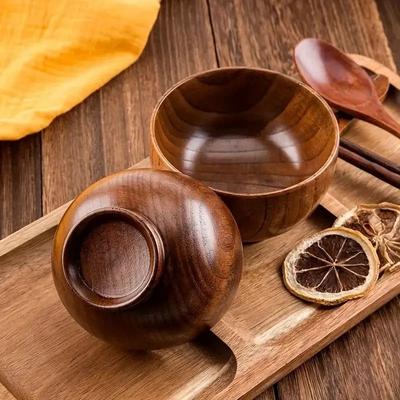
Uplift Essentials Artisan Japanese Wooden Bowl Handcrafted Natural Food Container Artisan Japanese Wooden Bowl Handcrafted Natural Food ContainerBring a touch of organic elegance to your dining table with this Artisan Japanese Wooden Bowl. Expertly carved from solid, highquality timber, this handcrafted wooden bowl reflects the timeless beauty of minimalist design while offering superior...55,97 $*Shipping: 0,00 $Secure redirect to the provider
-
Urban Decay Vice Lipstick Reno-LocalDiscover the ultimate Vice Lipstick, a super-pigmented, longwear vegan lipstick designed to deliver high-impact, long-lasting color in a single, hydrating swipe. This creamy, moisturizing formula ensures your lips feel nourished and hydrated, forgetting dry, flaky lip concerns thanks to the infusion of aloe vera and avocado oil—ingredients known to be rich in antioxidants. Explore 35 Los Angeles-inspired shades, encompassing everything from sheer pink and everyday nude lipstick to bold bright orange and red lipstick, available in three vibrant and comfortable finishes: cream, matte, and shine. Upgrade your makeup routine with this essential, vegan lip color that offers comfy, even coverage and a smooth application, making it the perfect choice for on-the-go beauty lovers everywhere who demand quality and hydration in their long-lasting lipsticks. Ingredients: ISONONYL ISONONANOATE, OCTYLDODECANOL, OLEYL ERUCATE, SILICA, PHENYL TRIMETHICONE, POLYETHYLENE, SESAMUM INDICUM SEED OIL / SESAME SEED OIL, PARAFFIN, CI 77491 / IRON OXIDES, CI 77891 / TITANIUM DIOXIDE, PEG-45/DODECYL GLYCOL COPOLYMER, CERA MICROCRISTALLINA / MICROCRYSTALLINE WAX / CIRE MICROCRISTALLINE, DIMETHICONE, CI 77492 / IRON OXIDES, KAOLIN, CI 77499 / IRON OXIDES, SYNTHETIC WAX, DISTEARDIMONIUM HECTORITE, TOCOPHERYL ACETATE, DIMETHICONE CROSSPOLYMER, PENTAERYTHRITYL TETRA-DI-T-BUTYL HYDROXYHYDROCINNAMATE, PERSEA GRATISSIMA OIL / AVOCADO OIL, ALUMINUM HYDROXIDE, ISOPROPYL PALMITATE, ISOPROPYL MYRISTATE, TRIETHOXYCAPRYLYLSILANE, ALOE BARBADENSIS LEAF EXTRACT, TOCOPHEROL, HYDROGENATED PALM GLYCERIDES CITRATE, HELIANTHUS ANNUUS SEED OIL / SUNFLOWER SEED OIL, ROSMARINUS OFFICINALIS LEAF EXTRACT / ROSEMARY LEAF EXTRACT.24,00 £*Shipping: 2,95 £Secure redirect to the provider
-
Aten KA7170 Local Transmitter - KVM / USB extenderDescription The ATEN KA7170 is a compact USB KVM transmitter designed to extend keyboard, mouse and VGA signals over a network connection. It provides a practical solution for managing computers and servers from a remote location. The transmitter connects to the computer using USB Type A and VGA HD-15 connections, while its RJ-45 link provides the connection to compatible KVM equipment. Its wired design delivers reliable communication without requiring a wireless network. With a maximum transmission distance of up to 50 metres, the KA7170 is suitable for server rooms, data centres and professional IT environments where equipment may need to be located away from the operator. The unit supports video resolutions up to 1600 x 1200 according to the exact Currys specification. Link and activity indicators provide useful status information during operation. Its compact external form factor measures 4.3 x 9 x 2.3 cm and weighs approximately 100g. Firmware can also be upgraded, helping maintain compatibility and functionality over time.147,49 £*Shipping: 0,00 £Secure redirect to the provider
-
Uplifted Finds Coastal Artisan Wooden Fish Set 9PCS Handcrafted Ocean Wall Art Executive Studio & Seaside Sanctuary Decor Coastal Artisan Wooden Fish Set 9PCS Handcrafted Ocean Wall Art Executive Studio & Seaside Sanctuary Decor"Inaugurate a refreshing ""OceanSanctuary"" energy in your environment with our Coastal Artisan Wooden Fish Set. This premium 9piece handcrafted wall art collection is the ultimate designer solution for creating a ""NauticalModern"" or..."55,97 $*Shipping: 0,00 $Secure redirect to the provider
-
How do non-homologous recombination and homologous recombination work?
Non-homologous recombination involves the joining of two DNA molecules at non-homologous sequences, resulting in the insertion, deletion, or rearrangement of genetic material. This process is often error-prone and can lead to mutations. Homologous recombination, on the other hand, involves the exchange of genetic material between two similar DNA molecules, typically occurring during meiosis. This process is important for repairing DNA damage and ensuring genetic diversity. It involves the exchange of genetic material between homologous chromosomes, resulting in the formation of new combinations of genes. **
-
What is the difference between interchromosomal recombination and intrachromosomal recombination?
Interchromosomal recombination involves the exchange of genetic material between two different chromosomes, while intrachromosomal recombination involves the exchange of genetic material within the same chromosome. Interchromosomal recombination can result in the creation of new combinations of genes from different chromosomes, leading to genetic diversity. In contrast, intrachromosomal recombination can lead to the repair of DNA damage or the creation of genetic variation within the same chromosome. Both processes are important for genetic diversity and evolution. **
-
What is the difference between intrachromosomal recombination and interchromosomal recombination?
Intrachromosomal recombination occurs between two different regions of the same chromosome, leading to the exchange of genetic material within the same chromosome. On the other hand, interchromosomal recombination involves the exchange of genetic material between two different chromosomes. Intrachromosomal recombination can lead to the creation of genetic diversity within a single chromosome, while interchromosomal recombination can result in the exchange of genetic material between different chromosomes, leading to genetic diversity among different chromosomes. **
-
What is recombination in biology?
Recombination in biology refers to the process by which genetic material from two different sources is combined to produce a new combination of genes. This can occur through sexual reproduction, where genetic material from two parents is combined to create offspring with a unique genetic makeup. Recombination plays a crucial role in generating genetic diversity within populations, which is important for evolution and adaptation to changing environments. In organisms that reproduce sexually, recombination occurs during meiosis, where homologous chromosomes exchange genetic material through a process called crossing over. **
Similar search terms for Recombination
-
Sagebrook Home Pottery Terracotta Vase Artisan Style Traditional Classic SilhouetteAdd rustic flair instantly - Crafted from durable terracotta pottery, this decorative vase brings timeless charm to any bedroom, living room, or entryway display.64,59 $*Shipping: 0,00 $Secure redirect to the provider
-
Skip's Garage Drink Local Corn Hole Board Set with Carry Case"Includes: (2) Cornhole Boards, (8) Bags & (1) Carrying Case. Boards are Regulation Sized 24"" Wide x 48"" Long. Bags Will Complement The Board Colors. Easily Message Us Bag Color Requests."293,99 $*Shipping: 0,00 $Secure redirect to the provider
-
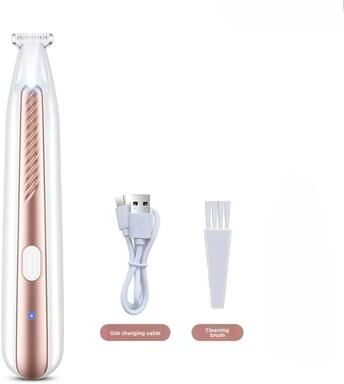
Uplifted Finds Smart Waterproof Pet Hair Shaver And Local Trimmer standard"Keep your pets paws, ears, and sensitive areas perfectly groomed with this precision electric trimmer. Specifically designed for ""local"" grooming, this slimprofile shaver is the ideal tool for trimming hair between paw pads, around the eyes, and..."55,97 $*Shipping: 0,00 $Secure redirect to the provider
-
What is recombination and genetic variability?
Recombination is the process by which genetic material is exchanged between two similar molecules of DNA, resulting in new combinations of genes. This process occurs during meiosis, the cell division that produces gametes (sperm and egg cells). Genetic variability refers to the diversity of genetic material within a population, which is influenced by factors such as recombination, mutations, and gene flow. Recombination plays a key role in generating genetic variability by creating new combinations of genes, which can lead to increased diversity and adaptation within a population. **
-
How does crossing-over influence recombination?
Crossing-over is a process during meiosis where homologous chromosomes exchange genetic material. This exchange of genetic material results in new combinations of alleles on the chromosomes, leading to genetic recombination. By shuffling genetic material between homologous chromosomes, crossing-over increases genetic diversity in offspring and can result in the creation of new combinations of traits. This process is essential for generating genetic variation within a population and plays a crucial role in evolution. **
-
How many offspring are produced through recombination?
Recombination typically results in two offspring being produced. This is because during recombination, genetic material from two parent organisms is combined to create a new individual with a unique combination of traits. This process allows for genetic diversity and variation within a population. **
-
When does disproportionation occur instead of recombination?
Disproportionation occurs when a single species is both oxidized and reduced in a reaction, leading to the formation of two different products with different oxidation states. This process typically occurs when the species involved can exist in multiple oxidation states and there is no suitable reactant available for recombination. In contrast, recombination occurs when two species with different oxidation states combine to form a single product with an intermediate oxidation state. **
* All prices are inclusive of VAT and, if applicable, plus shipping costs. The offer information is based on the details provided by the respective shop and is updated through automated processes. Real-time updates do not occur, so deviations can occur in individual cases. ** Note: Parts of this content were created by AI.