Buy lumbrales.eu ?
We are moving the project
lumbrales.eu .
Are you interested in purchasing the domain
lumbrales.eu ?
domain@kv-gmbh.de · 0541-91531010
Buy lumbrales.eu ?
What did rural society look like in the Middle Ages?
In the Middle Ages, rural society was primarily agrarian, with the majority of people living in small villages or on manors. The feudal system was prevalent, with a hierarchy of lords, vassals, and serfs. Serfs worked the land and were tied to the manor, providing labor and a portion of their crops to the lord in exchange for protection and the use of land. Life was centered around the agricultural calendar, with activities such as planting, harvesting, and animal husbandry dictating the rhythm of daily life. Villages were often self-sufficient, with limited contact with the outside world, and the church played a central role in community life. **
Could the urban population in the Middle Ages survive without the rural population?
No, the urban population in the Middle Ages could not survive without the rural population. The rural population provided the essential food and resources needed to sustain the urban population. Without the agricultural products and goods produced in the countryside, the urban population would have struggled to obtain the necessary sustenance and materials for daily life. Additionally, the rural population also supplied labor and raw materials for the production of goods and services in the urban areas, making their relationship vital for the survival of both populations. **

Similar search terms for Ages
Top-Angebote
Products related to Ages:
-
Learning Resources Kanoodle Puzzle Game for All Ages - Ages 7 and Up - Improves Cognitive SkillsUnleash your inner puzzle master with the Learning Resources Kanoodle Puzzle Game, perfect for kids and adults alike. This captivating brainteaser is ideal for family game nights or as a thoughtful gift for birthdays and holidays. With over 300 challenges ranging from beginner to expert level, Kanoodle provides endless entertainment while enhancing critical thinking and problem-solving skills. Designed to engage minds of all ages, this game encourages imaginative play as players create intricate 2D and 3D designs using colorful, interlocking pieces. Suitable for ages 7 and up, it improves cognitive skills while having fun. The portable design makes it perfect for travel or on-the-go fun. Gather your family and friends, and enjoy hours of stimulating fun with Kanoodle.10,29 £*Shipping: 1,99 £Secure redirect to the provider
-
World's Smallest Cluedo - Miniature Mystery Game for All Ages, 6 Players, Ages 8+, by Worlds SmallestGet ready to unravel a pocket-sized mystery with the World's Smallest Cluedo. This miniaturized version of the classic mystery game Clue packs all the intrigue and excitement into a size that fits right in the palm of your hand. Just like the original, the World's Smallest Cluedo lets you channel your inner detective as you try to solve the case. It includes a gameboard, 6 tokens, 6 miniature weapons, 30 cards, a case file envelope, a pad of detective notebook sheets, and 2 dice. All these pieces fit snugly inside the pocket-sized case, measuring 3 x 0.5 x 1.75 inches. The World's Smallest Cluedo is suitable for fans of all ages, making it a great addition to family gatherings, game nights, and travels.7,19 £*Shipping: 1,99 £Secure redirect to the provider
-
Casdon - Fruit ; Veg Basket for Ages 3+Bring the excitement of market shopping to playtime with this delightful fruit and vegetable basket. Perfect for little shoppers, this basket is filled with colorful fruits and vegetables, ready for imaginative grocery store adventures. Kids can pretend they’re stocking up on fresh produce, running a market stall, or preparing a meal in their play kitchen. Ideal for children aged 3 and up, this basket encourages role-play, social skills, and an early love for healthy foods. It pairs well with other 'Little Shopper' or 'Little Cook' toys for even more make-believe fun. A great addition to any playroom, this set brings joy to budding chefs and mini shopkeepers alike. The basket measures 9.5 x 20.75 x 16.5 cm.6,49 £*Shipping: 1,99 £Secure redirect to the provider


-
What was life like for women in the Middle Ages in rural villages?
Life for women in the Middle Ages in rural villages was challenging and often centered around domestic duties such as cooking, cleaning, and caring for children. Women had limited rights and were expected to obey their husbands or fathers. They were also responsible for tending to livestock, working in the fields, and producing goods such as textiles. Despite these limitations, some women were able to gain power and influence within their communities through their roles as healers, midwives, or managing their own households. **
-
What were the main differences between rural and urban societies in the Middle Ages?
In the Middle Ages, rural societies were primarily agricultural, with the majority of the population living in small villages and working the land. These communities were often self-sufficient, with limited contact with the outside world. In contrast, urban societies were centered around cities and were more diverse and interconnected, with a greater emphasis on trade, commerce, and specialized crafts. Urban areas also tended to have a higher concentration of wealth and political power, as well as a more complex social structure. Overall, the main differences between rural and urban societies in the Middle Ages were their economic activities, social structures, and levels of connectivity with the wider world. **
-
What are the advantages and disadvantages of living in the countryside during the Middle Ages?
Living in the countryside during the Middle Ages had both advantages and disadvantages. One advantage was the access to fresh air, clean water, and a more peaceful environment compared to the crowded and unsanitary conditions of medieval cities. Additionally, people in the countryside had more space for farming and raising livestock, which provided a more reliable food source. However, living in the countryside also meant being more isolated and vulnerable to attacks from bandits or invading armies. Medical care and access to education and cultural activities were also limited in rural areas during this time. **
-
Why is the Middle Ages actually called the Middle Ages?
The Middle Ages is called so because it is the period of time between the fall of the Roman Empire in the 5th century and the beginning of the Renaissance in the 14th century. It is considered the "middle" period between the classical antiquity of the Roman Empire and the modern era. This period is also known as the medieval period, and it is characterized by the development of feudalism, the rise of Christianity, and the dominance of monarchies in Europe. **
What did people in the Middle Ages call the Middle Ages?
During the Middle Ages, people did not refer to that time period as the "Middle Ages." Instead, they viewed themselves as living in the present time and did not have a specific term to describe their era. The concept of dividing history into distinct periods, such as the Middle Ages, Renaissance, and Modern era, was developed by later historians looking back on history. The term "Middle Ages" was first coined in the 15th century by Renaissance scholars who viewed the period between the fall of the Roman Empire and their own time as a "middle" or intermediate period. **
Why is whiskey and cola for ages 18 and wine for ages 16?
Whiskey and cola is typically considered a stronger alcoholic beverage, and the legal drinking age for stronger alcoholic drinks is generally higher than for milder ones. Wine is often considered a lighter alcoholic beverage, and therefore the legal drinking age for wine is lower. These age restrictions are based on the perceived maturity and ability to handle the effects of different types of alcohol. Additionally, cultural and historical factors also play a role in determining the legal drinking age for different types of alcohol in different countries. **
Top-Angebote
Products related to Ages:
-
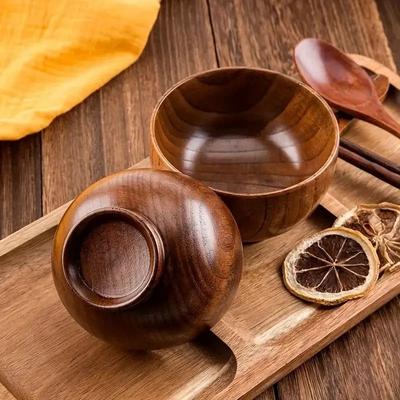
Uplift Essentials Artisan Japanese Wooden Bowl Handcrafted Natural Food Container Artisan Japanese Wooden Bowl Handcrafted Natural Food ContainerBring a touch of organic elegance to your dining table with this Artisan Japanese Wooden Bowl. Expertly carved from solid, highquality timber, this handcrafted wooden bowl reflects the timeless beauty of minimalist design while offering superior...55,97 $*Shipping: 0,00 $Secure redirect to the provider
-
U&I Entertainment LEGO Party! for Nintendo Switch (Game Cartridge) - Compete in 60 Mini-Games, Local and Online Multiplayer, Ages 7+, Nintendo Switch EditionGet ready for colourful competitive fun with LEGO Party! on Nintendo Switch. This game brings friends and family together with 60 varied mini-games inspired by familiar LEGO themes, including Pirates, Space and NINJAGO. Play together or go solo, enjoying local multiplayer on one system or competing online with up to four players. Solo play is also supported, letting you practice against computer-controlled opponents before the next games night. Key features include competing in 60 fast-paced mini-games, playing locally or online with up to four players, and creating a personalised minifigure from an extensive range of combinations. The physical Nintendo Switch edition is supplied on a game card and is compatible with Nintendo Switch and Nintendo Switch OLED consoles.39,49 £*Shipping: 1,99 £Secure redirect to the provider
-
Learning Resources Kanoodle Puzzle Game for All Ages - Ages 7 and Up - Improves Cognitive SkillsUnleash your inner puzzle master with the Learning Resources Kanoodle Puzzle Game, perfect for kids and adults alike. This captivating brainteaser is ideal for family game nights or as a thoughtful gift for birthdays and holidays. With over 300 challenges ranging from beginner to expert level, Kanoodle provides endless entertainment while enhancing critical thinking and problem-solving skills. Designed to engage minds of all ages, this game encourages imaginative play as players create intricate 2D and 3D designs using colorful, interlocking pieces. Suitable for ages 7 and up, it improves cognitive skills while having fun. The portable design makes it perfect for travel or on-the-go fun. Gather your family and friends, and enjoy hours of stimulating fun with Kanoodle.10,29 £*Shipping: 1,99 £Secure redirect to the provider
-
World's Smallest Cluedo - Miniature Mystery Game for All Ages, 6 Players, Ages 8+, by Worlds SmallestGet ready to unravel a pocket-sized mystery with the World's Smallest Cluedo. This miniaturized version of the classic mystery game Clue packs all the intrigue and excitement into a size that fits right in the palm of your hand. Just like the original, the World's Smallest Cluedo lets you channel your inner detective as you try to solve the case. It includes a gameboard, 6 tokens, 6 miniature weapons, 30 cards, a case file envelope, a pad of detective notebook sheets, and 2 dice. All these pieces fit snugly inside the pocket-sized case, measuring 3 x 0.5 x 1.75 inches. The World's Smallest Cluedo is suitable for fans of all ages, making it a great addition to family gatherings, game nights, and travels.7,19 £*Shipping: 1,99 £Secure redirect to the provider
-
What did rural society look like in the Middle Ages?
In the Middle Ages, rural society was primarily agrarian, with the majority of people living in small villages or on manors. The feudal system was prevalent, with a hierarchy of lords, vassals, and serfs. Serfs worked the land and were tied to the manor, providing labor and a portion of their crops to the lord in exchange for protection and the use of land. Life was centered around the agricultural calendar, with activities such as planting, harvesting, and animal husbandry dictating the rhythm of daily life. Villages were often self-sufficient, with limited contact with the outside world, and the church played a central role in community life. **
-
Could the urban population in the Middle Ages survive without the rural population?
No, the urban population in the Middle Ages could not survive without the rural population. The rural population provided the essential food and resources needed to sustain the urban population. Without the agricultural products and goods produced in the countryside, the urban population would have struggled to obtain the necessary sustenance and materials for daily life. Additionally, the rural population also supplied labor and raw materials for the production of goods and services in the urban areas, making their relationship vital for the survival of both populations. **
-
What was life like for women in the Middle Ages in rural villages?
Life for women in the Middle Ages in rural villages was challenging and often centered around domestic duties such as cooking, cleaning, and caring for children. Women had limited rights and were expected to obey their husbands or fathers. They were also responsible for tending to livestock, working in the fields, and producing goods such as textiles. Despite these limitations, some women were able to gain power and influence within their communities through their roles as healers, midwives, or managing their own households. **
-
What were the main differences between rural and urban societies in the Middle Ages?
In the Middle Ages, rural societies were primarily agricultural, with the majority of the population living in small villages and working the land. These communities were often self-sufficient, with limited contact with the outside world. In contrast, urban societies were centered around cities and were more diverse and interconnected, with a greater emphasis on trade, commerce, and specialized crafts. Urban areas also tended to have a higher concentration of wealth and political power, as well as a more complex social structure. Overall, the main differences between rural and urban societies in the Middle Ages were their economic activities, social structures, and levels of connectivity with the wider world. **
Similar search terms for Ages
-
Casdon - Fruit ; Veg Basket for Ages 3+Bring the excitement of market shopping to playtime with this delightful fruit and vegetable basket. Perfect for little shoppers, this basket is filled with colorful fruits and vegetables, ready for imaginative grocery store adventures. Kids can pretend they’re stocking up on fresh produce, running a market stall, or preparing a meal in their play kitchen. Ideal for children aged 3 and up, this basket encourages role-play, social skills, and an early love for healthy foods. It pairs well with other 'Little Shopper' or 'Little Cook' toys for even more make-believe fun. A great addition to any playroom, this set brings joy to budding chefs and mini shopkeepers alike. The basket measures 9.5 x 20.75 x 16.5 cm.6,49 £*Shipping: 1,99 £Secure redirect to the provider
-
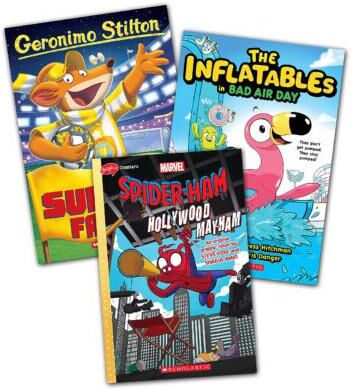
Scholastic Favorite Read Alouds (Ages 7-10)These stories full of action and adventure are sure to be read aloud favorites.This set includes:Spider-Ham: Hollywood May-HamThe Inflatables in Bad Air Day (The Inflatables #1)The Super Cup Face-Off (Geronimo Stilton #81) Favorite Read Alouds (Ages...20,36 $*Shipping: 0,00 $Secure redirect to the provider
-
What are the advantages and disadvantages of living in the countryside during the Middle Ages?
Living in the countryside during the Middle Ages had both advantages and disadvantages. One advantage was the access to fresh air, clean water, and a more peaceful environment compared to the crowded and unsanitary conditions of medieval cities. Additionally, people in the countryside had more space for farming and raising livestock, which provided a more reliable food source. However, living in the countryside also meant being more isolated and vulnerable to attacks from bandits or invading armies. Medical care and access to education and cultural activities were also limited in rural areas during this time. **
-
Why is the Middle Ages actually called the Middle Ages?
The Middle Ages is called so because it is the period of time between the fall of the Roman Empire in the 5th century and the beginning of the Renaissance in the 14th century. It is considered the "middle" period between the classical antiquity of the Roman Empire and the modern era. This period is also known as the medieval period, and it is characterized by the development of feudalism, the rise of Christianity, and the dominance of monarchies in Europe. **
-
What did people in the Middle Ages call the Middle Ages?
During the Middle Ages, people did not refer to that time period as the "Middle Ages." Instead, they viewed themselves as living in the present time and did not have a specific term to describe their era. The concept of dividing history into distinct periods, such as the Middle Ages, Renaissance, and Modern era, was developed by later historians looking back on history. The term "Middle Ages" was first coined in the 15th century by Renaissance scholars who viewed the period between the fall of the Roman Empire and their own time as a "middle" or intermediate period. **
-
Why is whiskey and cola for ages 18 and wine for ages 16?
Whiskey and cola is typically considered a stronger alcoholic beverage, and the legal drinking age for stronger alcoholic drinks is generally higher than for milder ones. Wine is often considered a lighter alcoholic beverage, and therefore the legal drinking age for wine is lower. These age restrictions are based on the perceived maturity and ability to handle the effects of different types of alcohol. Additionally, cultural and historical factors also play a role in determining the legal drinking age for different types of alcohol in different countries. **
* All prices are inclusive of VAT and, if applicable, plus shipping costs. The offer information is based on the details provided by the respective shop and is updated through automated processes. Real-time updates do not occur, so deviations can occur in individual cases. ** Note: Parts of this content were created by AI.